
Share
Contributors
David Timmins, Technical Design Director
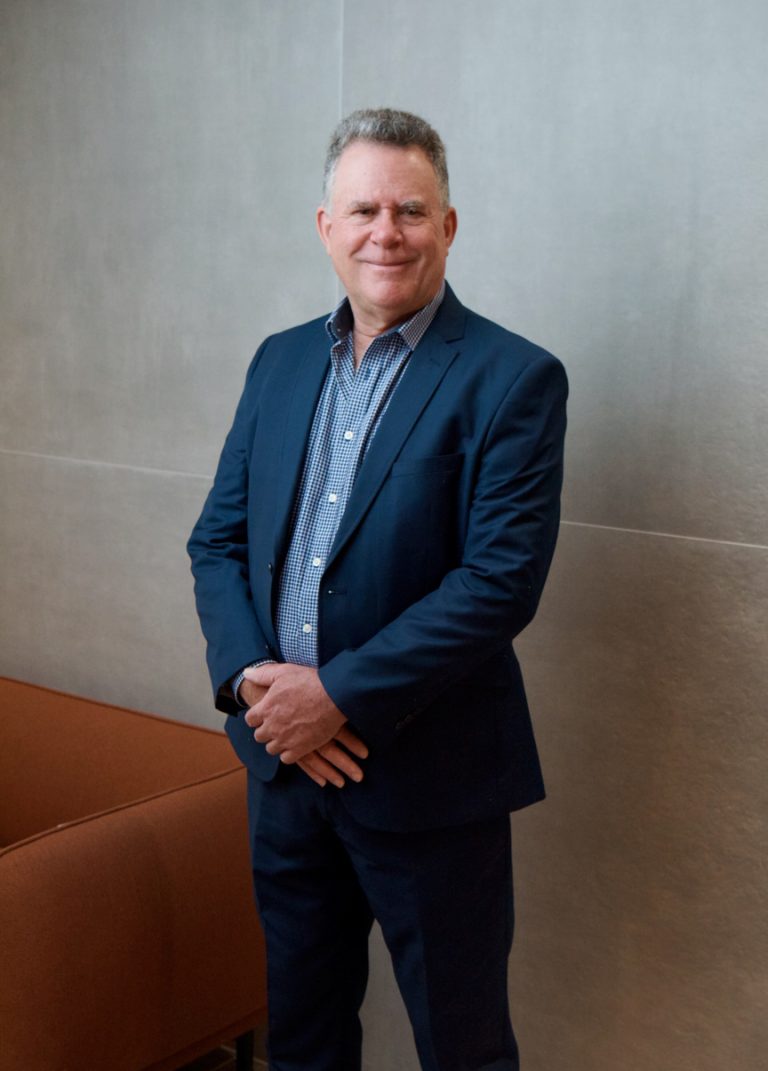
David Timmins, our Technical Design Director, has spent eight years as Interite working across some of Australia’s most technically demanding healthcare projects. We sat down with him to talk about how the industry has shifted, what it takes to deliver complex healthcare environments, and why – after decades in the field – the challenge still drives him.
What drew me was the prospect of working on healthcare projects again. In the time I’ve been here, the business has evolved significantly to where we are now delivering a lot of complex facilities, major IVF clinics and hospital work. It’s taken a few years to get to where we’re actually doing those projects, but we’re moving forward rapidly.
Linear Clinical, a clinical trials facility in Western Australia. We did a complete fit-out of an entire cold shell building, which was interesting because it combined healthcare with clinical trials. That was one of the most interesting and complex projects I’ve worked on here.
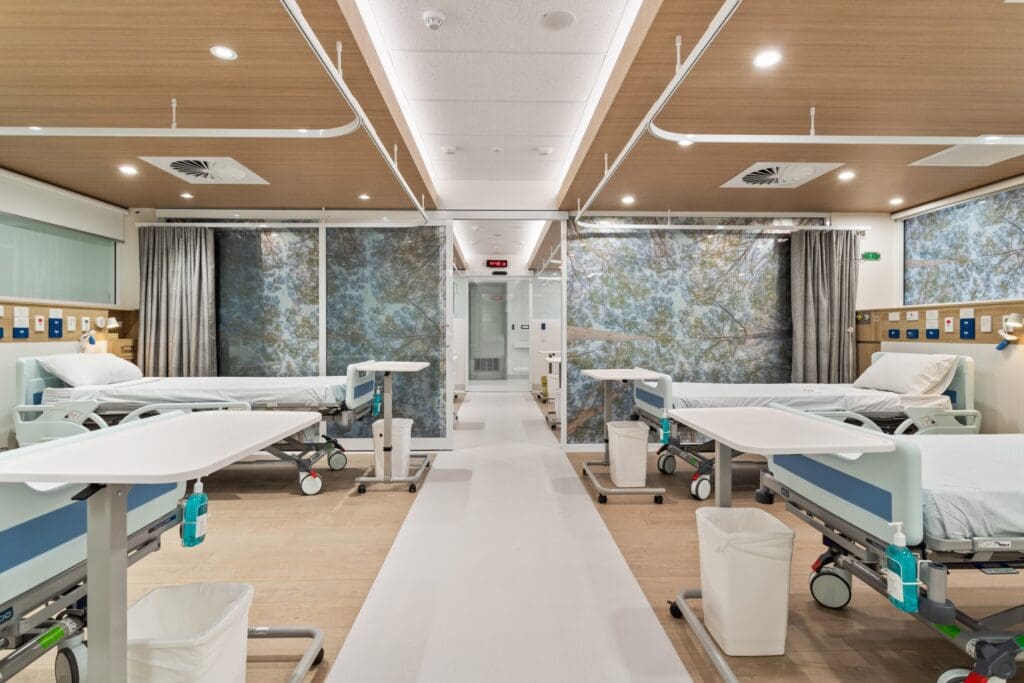
Dramatically. I didn’t start using computers until 1989, after already working 10 years. It took another 10 years before computers took over the entire process. There’s a much stronger focus on designing around the patient now than there used to be. The Australasian Health Facility Guidelines (AHFGs), which most states now use as their foundation, has developed over the past two decades and brought a level of standardisation to the industry that simply didn’t exist before. Where states previously operated independently with their own approaches, there’s now a consistent national framework to work from.
Technology has also been one of the biggest drivers of change in healthcare design. As medical equipment evolves, particularly in radiology and nuclear medicine, the way you design around it has to evolve too. Areas like CSSD and laboratories have become significantly more stringent in their requirements, and that’s reflected in how we approach those spaces today as machinery has a huge impact on design.
Patient care areas like holding bays, recovery bays and bed bays have remained relatively consistent, but the technical and clinical support areas of a hospital have changed considerably. Ultimately, it’s the advances in medical technology that have had the greatest impact on how healthcare facilities are designed and delivered.
A core focus has been refining and strengthening the documentation process across the business. As Interite grew and took on larger, more complex projects, I developed a standardised approach to documentation and drawing detail – ensuring that whether work is produced by our team in Manila or in-office, the output is consistent and seamless. Standardising our software setups has been part of that too, so anyone on the team can pick up where someone else left off. On a project of any scale, that consistency is critical.
My approach to leadership is hands-on, from the coal face. I’m not someone who delegates without understanding exactly how something should be done. I work alongside the team, mentoring to the point where we both have a clear picture of what’s required. If something needs to be turned around quickly, I’ll do it myself rather than slow the project down. It’s a collaborative environment where everyone is encouraged to speak up if something doesn’t seem right, regardless of their experience level; myself included. Getting it right for the project is what matters, and that only happens when the whole team is working together and questioning things when they need to be questioned.
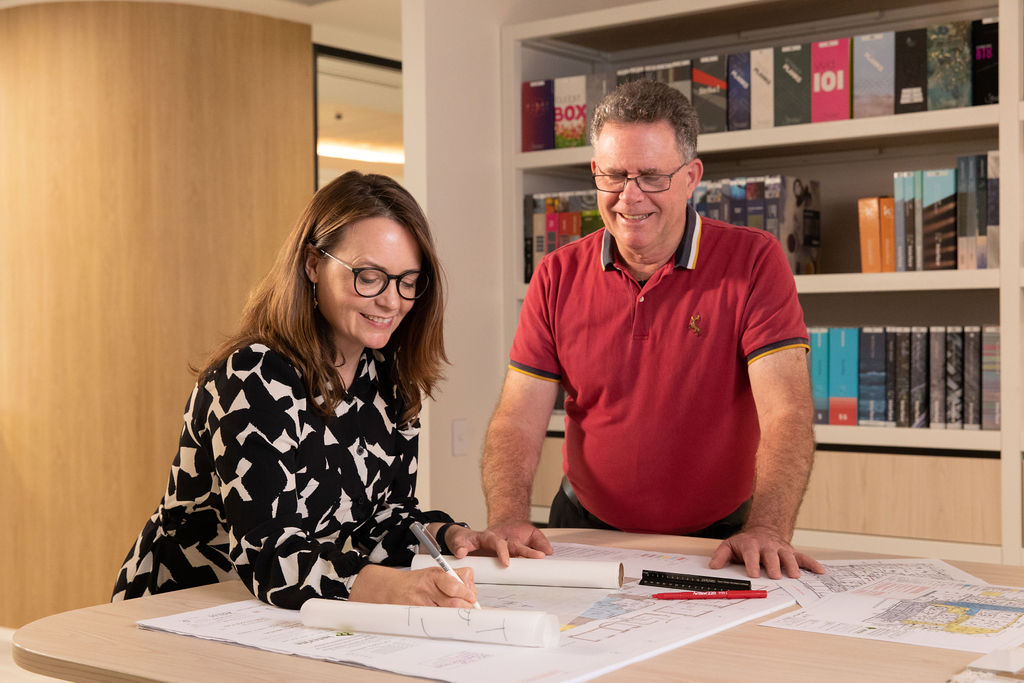
Definitely the team. Teamwork to, to get a successful outcome at the end of the day, whether that just be on a daily basis or, or on an overall project basis. It’s about everybody working together and doing their part with their particular skill set, to make the outcome successful.
Healthcare is a very niche market, not like other architecture. You’re designing for function, not just looks, and somebody benefits from it. It’s one of the hardest architectures to be involved with, but very rewarding because you can see tangible outcomes. People go to hospitals and get better. There aren’t many healthcare [design] specialists, and it’s not glitzy or glamorous, but it’s about functionality and giving something back. It’s for architects who care about benefiting other people, not just themselves or awards.
The challenge. Working alongside a team with real energy and ambition means there’s always something to solve, always another project to make work which can be challenging. That’s what drives me. Not just completing the work, but making it successful. If it were too easy, I’d get bored!
Not really. I worked on Fiona Stanley, a major tertiary hospital with every department imaginable; nuclear medicine, labs, correctional services, radiology, emergency. That was my bucket list, and I’ve achieved it. I’ve basically done every type of healthcare you can think of, so I just want to do more of the same.
Common sense approach. Everything needs to be looked at with common sense to make it happen. Tenacity. I’m very tenacious, and I think that helps here because the team is also very tenacious. Once they start something, they keep going. I like that trait and have the same one, so it works.
Most people don’t know that I built my own house over about 20 years. I also built my own house over about 20 years. I’m a hands-on person and I want to try things myself. This actually helps with my detailing and knowing what tradesmen can do. I can answer their questions on site because I’ve done it myself, which helps me deal with trades better. There’s a real practical value in having done things yourself.
Meet the people behind our projects.