
Share
Contributors
Refurbishing a dementia wing while the rest of the aged care facility keeps running is one of the hardest jobs in aged care construction. Capecare in Busselton did exactly that with its Rosa Brook memory support wing, on a federal grant timeline, with residents living next door to the site.
We sat down with Capecare CEO, Tim Nayton, to discuss how the project came together. His insights add up to a practical guide for any provider weighing up a refurbishment: what to look for in a construction partner, what challenges arise in a live-environment build, and how to tell whether the finished space has actually worked.
Watch the full project interview, with Tim Nayton, CEO of Capecare.
Capecare is the largest regionally based aged care organisation in Western Australia. It runs residential aged care homes in Busselton and Dunsborough, along with retirement villages, home care and other community services. Tim describes Capecare as a community-based organisation, and says trust sits at the centre of its mission.
“The huge element of our mission is to ensure that we’re delivering the right services and that we’re establishing strong trust with the community.”
Capecare received a federal capital infrastructure grant to refurbish Rosa Brook, its ageing memory support wing and home to many residents living with dementia. Three key pressures informed which builder Capecare needed to engage, in order to meet grant conditions, ensure minimal disruption to residents and work within a strict timeline to getting residents back in their rooms.
Capecare spoke to a range of builders before choosing Interite, which Tim says was “a very easy choice.” Based on Tim’s experience, here is what to look for in a good aged care refurbishment partner:
A Proven Record in Live Aged Care Environments
Refurbishing inside an operating home is very different from a new build. Ask for credible references and examples of work completed while residents and staff were on site. Tim wanted a partner who “gave us confidence that they had done that work before.”
A Clear Plan for the Timeline, Before Work Starts
Any builder can promise a deadline. A good partner can show you how the project will be structured to meet it, especially when grant timeframes are fixed. Capecare chose a builder who could walk them through how the schedule would hit the grant deadlines.
Trades Locked in Up Front
Tight programmes fall apart when trades aren’t available. Ask whether all the required trades will be secured before work begins. Tim saw this as essential to meeting Capecare’s timeline.
A Local, Knowledgeable Project Manager
The person on site every day matters as much as the company you engage. Look for a project manager who understands aged care, knows the local area and will work closely with your team to keep disruption low. Capecare’s PM “understood the environment, understood the needs and worked really well with us.”
Collaboration and Value Engineering to Stay in Budget
Most providers start with more design ideas than budget. A good partner helps you prioritise, refining the design so it still delivers quality care and a good workspace for staff, rather than simply pricing everything on the list. Capecare began with “a long wish list of design features” and finished with a good design that fit their budget.
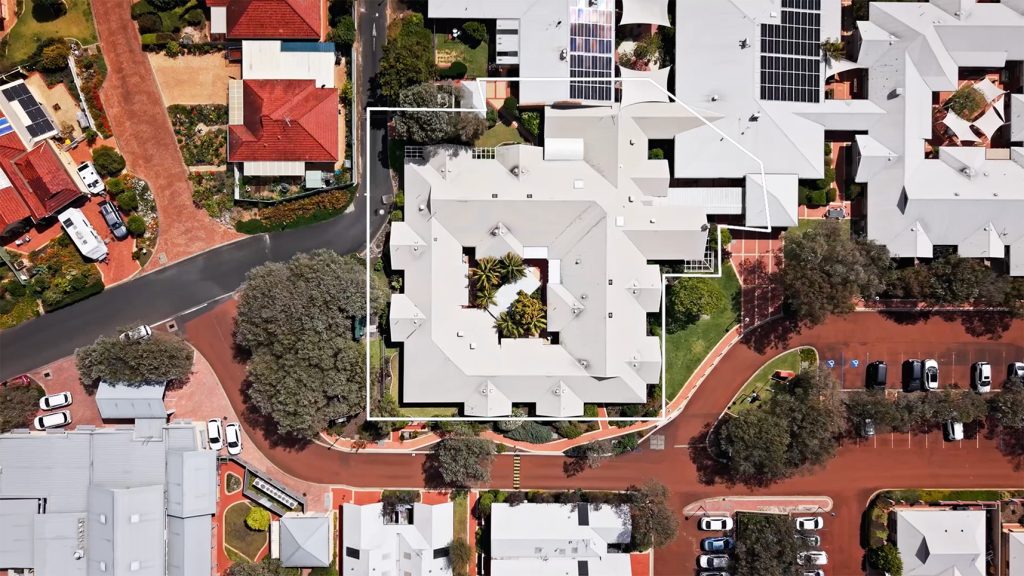
Tim’s experience points to four challenges every provider should plan for when building inside an operating aged care home:
A finished building isn’t the finish line. Tim used three tests to judge whether the space at Rosa Brook was a beneficial refurbishment on all fronts:
Providers can build these tests into their project brief from day one. Talk to staff and families during design, and plan to check in with all three groups in the months after handover. On all three counts, Tim says, the new Rosa Brook Wing has been positive and well received.
Interite is a multidisciplinary team across design, project management and construction who specialise in aged care refurbishment and redevelopment. We help providers upgrade, reconfigure and expand their homes, Australia-wide through modern resident-focused spaces.
